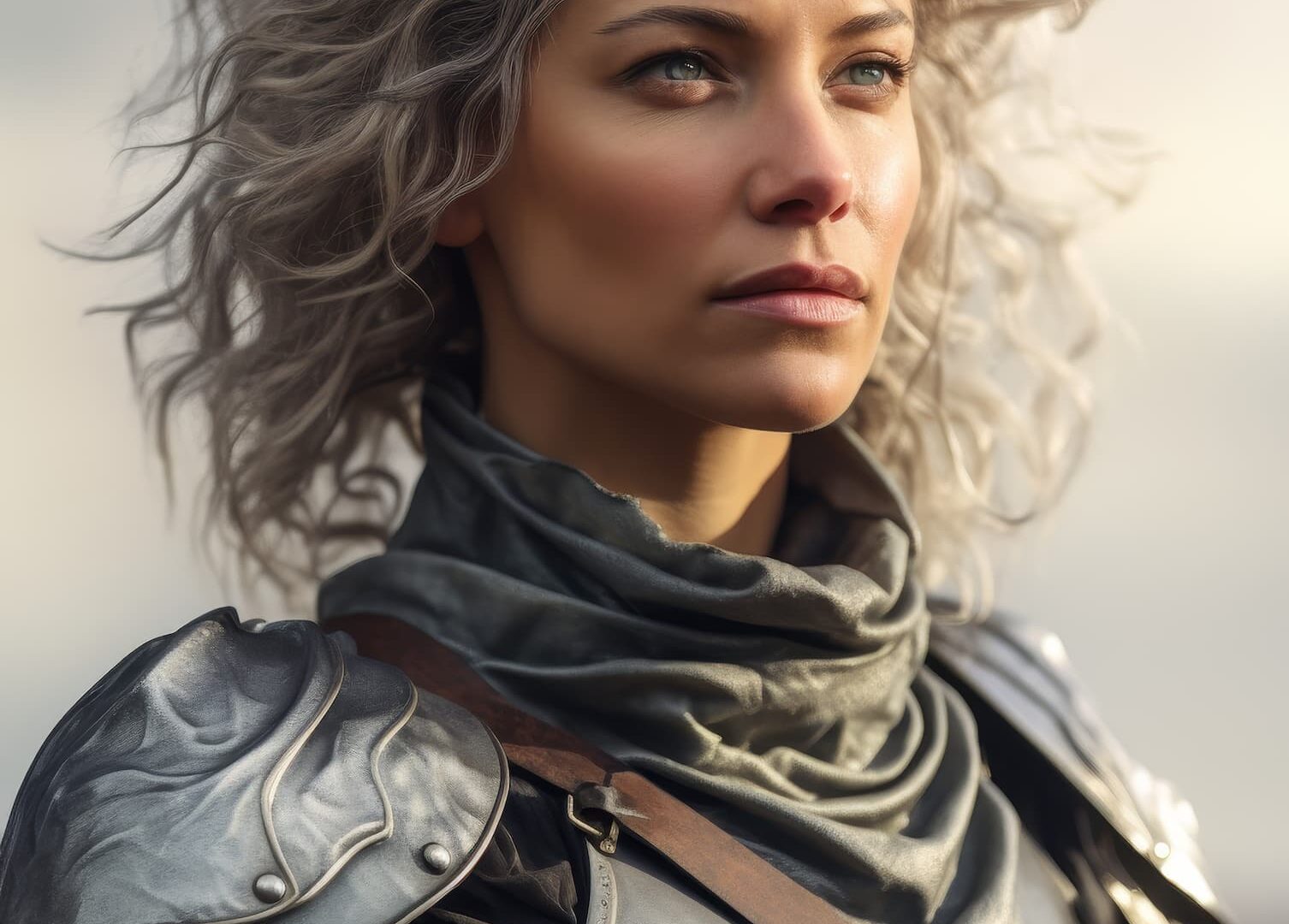
Every memorable fantasy character begins as an idea. Before an adventurer steps onto a LARP battlefield or a knight appears at a medieval festival, that character usually exists only as a sketch, digital painting, or concept illustration. Artists define the silhouette, colors, proportions, equipment, and personality long before the first physical costume is created. The connection between illustration and real-world craftsmanship is one of the most fascinating aspects of modern live action roleplay activities.
Illustration as the Foundation of Character Design

Illustration has always been a form of visual storytelling. A single image can suggest an entire world, complete with its own history, culture, conflicts, and heroes. Whether inspired by medieval legends, dark fantasy, or an original fictional universe, concept artists develop a visual language that helps an audience understand a character before a single word is spoken. An additional layer of background can add more value to the overall story btw.
For LARP participants, these illustrations become more than attractive reference images. They establish the starting point for costumes, armor, weapons, and props that allow players to step into fictional worlds. A carefully designed concept can communicate whether a character belongs to an ancient order, a royal court, a forgotten cult, or a war-torn frontier.
Turning Concept Art into Wearable Armor
Transforming an illustration into functional equipment is much more difficult than simply copying a drawing. Artwork does not need to account for weight, flexibility, visibility, attachment points, or comfort. A LARP armor maker must solve all of these practical challenges while preserving the visual identity established by the artist.
Decorative edges may require structural reinforcement, oversized shoulder pieces need balanced attachment systems, and layered components must allow the wearer to move naturally. Details that look impressive in a static image may also need to be adjusted so they remain durable during long events. So the best advice is to visit real workshops for study, to get that real experience of making things in real life.
A good example of this process can be found at larpshopkeeper.com, where fantasy illustrations are developed into lightweight polyurethane armor for LARP, cosplay, fantasy festivals, and screen productions. The original artwork is not treated as a simple reference. Instead, it becomes the basis for a physical design that must preserve the proportions, ornamentation, and visual character of the concept while remaining suitable for real use.
Modern Production Meets Traditional Creativity

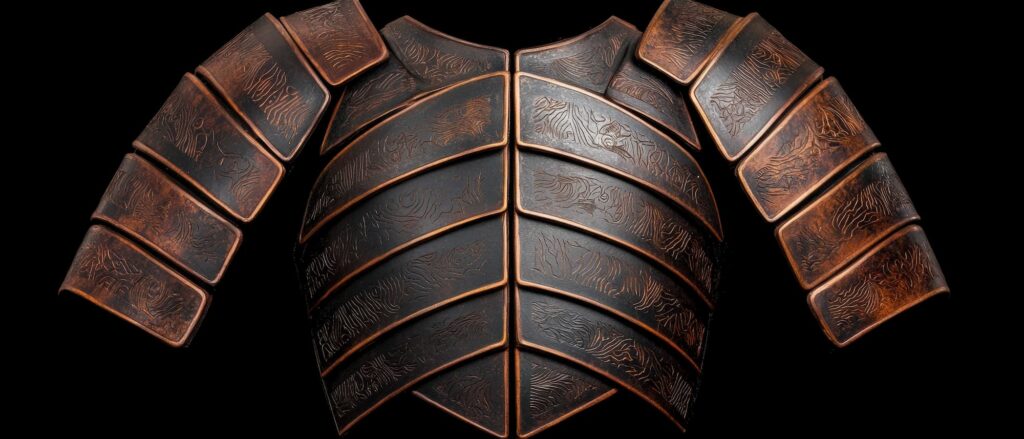
Modern artists and makers can now move smoothly from two-dimensional illustrations to highly detailed 3D models before physical production begins. This digital workflow allows ornaments, textures, engravings, and surface shapes to be refined from multiple angles. It also makes it easier to identify construction problems before time and materials are committed to a finished piece.
Once the design is approved, it progresses through several specialized stages. A digital (or even traditional) sculpt becomes a physical master model, silicone molds (if we are speaking about modern PU armors) capture the surface details, and polyurethane components are cast and reinforced for durability. After trimming and surface preparation, professional painting techniques create metallic finishes, aged surfaces, shadows, highlights, and weathering that give the final armor its visual depth. But sometimes people can use metalworks or even more authentic craft skills.
These tools do not replace traditional craftsmanship. They expand what artists and makers can achieve while giving them greater control over the transition from an imaginative drawing to a wearable object.
Understanding the Complete Armor-Making Process
For illustrators, designers, and fantasy creators who want to explore the workflow in greater depth, the detailed guide to polyurethane LARP armor production explains the major stages involved.
The guide follows the journey from concept development and digital sculpting to master-model preparation, mold making, casting, fiberglass reinforcement, finishing, and painting. It shows how each technical stage supports the artistic decisions made at the beginning of the project and how modern production methods help preserve the original visual idea.
When Illustration Becomes Reality
Perhaps the most remarkable aspect of Live Action Roleplay is its ability to transform visual storytelling into a physical experience. Characters no longer exist only on paper or a computer screen. They become living works of art that move, interact, and create new stories through the people who portray and act them. Just imagine a badass knight brought to life from your own concept art featuring all the details that you put on a piece of paper!
As illustration continues to evolve alongside digital sculpting and modern manufacturing, collaboration between artists and craftspeople (workshops) becomes increasingly important. Every successful LARP character begins with imagination, but it reaches its full potential only when creative design and practical craftsmanship work together. The journey from illustration to armor is therefore more than a production process. It is a continuation of visual storytelling in a form that can be worn, experienced, and brought to life.